

Across California, Retail Looks Strong
According to the Winter 2026 Allen Matkins/UCLA Anderson Forecast California Commercial Real Estate Survey, retail sector sentiment has strengthened and is now optimistic across all California markets, with the largest improvements observed in Southern California. However, expectations for a new retail growth cycle remain mixed: while a meaningful share of respondents anticipate renewed development by 2027, a larger portion remain cautious about a near-term cycle. Development activity is increasingly selective, with Northern California showing stronger near-term development intentions than Southern California, and new projects continue to focus on residential-serving and infill retail rather than large-format or mall-based development. Allen Matkins partners Jonathan Lorenzen (San Diego) and Sandy Jacobson (New York) join us to discuss these and other themes impacting the retail sector.
What are the trends you’re seeing in the retail sector right now?
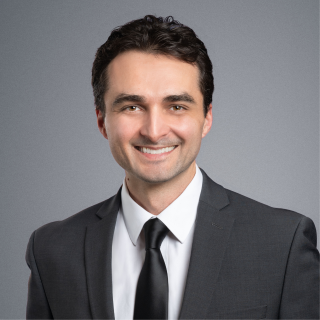
Jonathan: One of the current trends I’m seeing is an increased investment in existing shopping centers, mainly those that are in good locations, near areas where customers work and live. They’re in affluent suburbs where there’s still strong consumer spending, more resilience to inflation, with access to main roads, thoroughfares, and freeways. They are being acquired and improved by developers, so they’re drawing better tenants, increasing the value and creating some pretty interesting projects that we hadn’t seen previously.
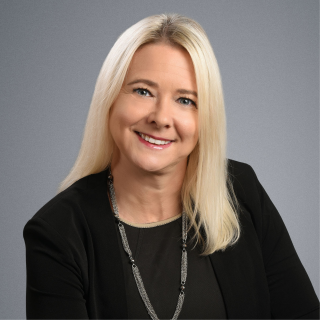
Sandy: The biggest retail trend that I have been seeing recently is developers looking to lease to traditional food operators as well as service providers and new experiential opportunities. Brick and mortar is still there, but there is so much competition with e-commerce and these types of services seem to be a much bigger draw than your traditional brick and mortar retail. I think the biggest uptick is in your neighborhood centers that are grocery-anchored or pharmacy-anchored. Big boxes are still a draw for new development, but not really for existing centers. It’s really more of the grocery anchors going in with residential developments, which are usually entitled with a condition of approval that there be a retail component to serve the new homes that are going in.
Are you seeing an uptick in activity in any particular retail subsector?
Sandy: The biggest shift in the last 10 years has been the emergence of delivery and e-commerce like Amazon Prime, which has significantly impacted the way people shop and do business. Retail is making a comeback, but it’s a different kind of retail than what you would have seen 20 years ago. I see it getting slightly stronger as owners and operators adapt to what the market is demanding. In the last year, I have seen more service-oriented leases and smaller mom and pops trying to get into certain areas — smaller retailers seem to be making a comeback, and I hope that can continue.
Jonathan: I’m seeing more activity in restaurants and retail projects that are close to class-A office centers. These are the kind of centers where we’re seeing institutional-type tenants who have required their employees to come back to work. With those employees back at work, they’re looking for good places to go to lunch, good places for business meetings, and happy hour that are close to their office. The demand has not slowed down at all, and some areas that were strong performers in previous cycles are now becoming even stronger and more prominent in the retail sector. Many of these office tenants in class-A centers want to be near these traditionally strong centers. As the quality of the office tenants continues to increase, the restaurants are driven to become even better, and these shopping centers become populated with even better tenants.
How are your clients responding to tariff pressures?
Sandy: There was much more concern about tariffs a year ago than there is today. People are being cautious about what they’re doing and their timeframes for delivery because they don’t really know where tariffs are going, but it is not grinding any projects to a screeching halt. There’s probably more of a contingency in construction costs and timing, but it’s not really stopping people from moving forward and doing new projects.
Jonathan: I agree. I’ve not seen as much of a negative impact from tariffs as I had anticipated. The main impact I’ve seen has been in the cost of build-outs and construction costs. Some of the components that go into the improvements are more expensive now because they’re coming from overseas, which has resulted in more expensive tenant improvement allowances and landlord work. Those costs are then amortized into rent, so we’re seeing tenants paying somewhat higher rent to help absorb the increased cost of the construction.
Have you seen any major shifts in consumer behavior over the past year or two? Do you see it changing in the next few years?
Jonathan: The biggest shift I’ve seen is a major decrease in alcohol consumption, according to many restaurant tenants who serve alcohol. It’s a big problem for restaurateurs because alcohol has such a high profit margin. I don’t think this is going to change anytime soon because it’s downstream of a change in how people are socializing. They’re interacting digitally more than in person. People aren’t going out as much to meet new individuals at so-called third spaces. Instead, they’re meeting with family, smaller groups, less informal interactions where alcohol isn’t needed as a social lubricant. I don’t see that changing unless people’s behavior with their devices changes.
Sandy: Recently, there has been an emergence of coffee operators trying to get into the market. The Starbucks model is out there, and people are trying to adopt a lot more of that service-oriented model — nail salons, dentists, doctors, coffee shops, with smaller footprints than you would normally see. I think people are trying to be conscious of not having too big a footprint because that increases their costs, so I’m seeing a shift toward smaller footprints among different types of retail tenants.
Any other trends you’re seeing?
Jonathan: I’ve thought of one more — an increase in wellness-related activities. It seems we have moved away from the boutique fitness centers and more toward the medical wellness centers, like therapy centers and non-invasive surgical centers, where people are seeking out treatment options. This relates to the trend we’ve seen over the last 10 or so years in fitness and health. Think of red-light therapy, or a spa that has different types of offerings for skincare, for Botox, for massage. I’ve seen an uptick in these kinds of destinations people visit for health-related reasons.
Contributors
Sandy Jacobson
Partner
Allen Matkins
Jonathan Lorenzen
Partner
Allen Matkins
View More Insights
